

The chemical bond between aged wallpaper adhesive and drywall is one of the most underestimated challenges in home renovation. Over years, especially in the variable climate of Central Florida, these glues can petrify, turning a simple redecorating project into a battle for the integrity of your walls. What seems like a straightforward peeling task often reveals layers of complexity that can lead to gouges, tears, and irreversible surface damage.
Don Ellis Painting and Pressure Cleaning provides a technically sound alternative to DIY frustration, offering professional wallpaper removal that preserves your home’s structure. For a detailed assessment of your project, you can reach our team directly at 352-259-0433 .
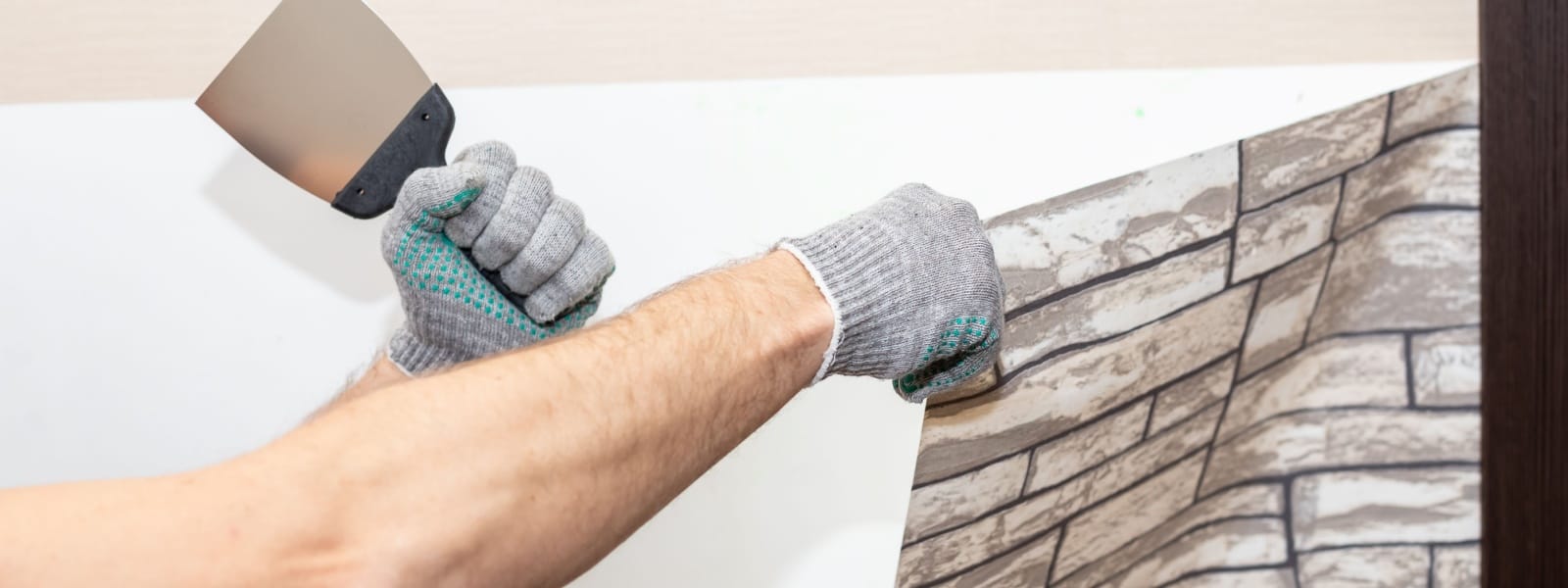
The Technical Hurdles of Wallpaper Deconstruction
Removing wallpaper is not merely about pulling paper off a wall; it’s a process of deconstruction that must account for multiple variables. The type of wallpaper itself, whether vinyl, foil, fabric-backed, or traditional paper, dictates the initial approach. Each material reacts differently to moisture and removal techniques.
The true challenge, however, lies beneath the surface. The original installer’s technique, the type of primer used (or lack thereof), and the specific adhesive formulation all contribute to the difficulty of the task. In many homes in The Villages, FL, we encounter situations where wallpaper was applied directly to unprimed drywall.
This creates a powerful bond where the paper’s backing and the drywall’s paper facing essentially fuse, making separation without damaging the drywall integrity nearly impossible for the untrained hand.
Understanding Adhesive Degradation
Adhesives change over time. They can become brittle, excessively gummy, or chemically bonded to the wall surface. Attempting to scrape or pull at this stage often results in taking chunks of the drywall’s paper face along with the wallpaper.
This damage then requires significant and costly patching, skim coating, and sanding to correct. Our expertise in wallpaper removal services in The Villages, FL, is built on understanding this material science and selecting the precise method to dissolve the bond without compromising the substrate.
A Methodical Approach to Surface Restoration
Our solution is grounded in a systematic, patient process that prioritizes the health of your walls above all else. We don’t rely on brute force. The first step is a careful assessment to identify the wallpaper type and test a small, inconspicuous area.
This diagnostic phase informs our entire strategy. We utilize a range of professional tools and solutions, from commercial-grade steamers that use controlled heat and moisture to penetrate stubborn layers, to specialized enzymatic solutions that break down the molecular structure of old adhesives. This methodical process of Wallpaper Removal ensures that the backing and glue release their grip cleanly, leaving the smoothest possible surface behind.
We take meticulous care to protect your flooring, trim, and furnishings throughout the entire procedure.
Beyond Removal: The Science of Surface Preparation
The Don Ellis Painting and Pressure Cleaning difference is most apparent after the paper comes down. Our job isn’t finished until we have addressed the invisible problem: residual adhesive. Even trace amounts of adhesive residue can interfere with new paint, causing it to bubble, peel, or flash with an inconsistent sheen.
We perform a thorough cleaning and washing of the walls with specialized agents to completely neutralize and remove any remaining glue. This crucial step is what separates a professional outcome from an amateur one. Following the cleaning, we inspect the entire surface for any minor imperfections, filling and sanding as needed to create a truly pristine canvas.
This level of detail adheres to the highest industry standards for wall preparation and is a fundamental part of our commitment to excellence.
Achieving a Flawless Canvas for Your Walls
The ultimate result of our professional wallpaper removal is a perfectly smooth, clean, and sound wall surface, fully prepared for its next chapter. Homeowners are often astonished at the quality of the underlying wall once it’s been properly treated. This flawless foundation is essential for achieving the rich, uniform color and elegant finish you envision for your space.
A wall that has been correctly stripped and prepared allows new paint to adhere properly, ensuring longevity and durability. This not only enhances the beauty of your home but also protects your investment by avoiding the need for future repairs caused by improper surface prep. Explore our comprehensive painting services to see how we can transform your newly cleared walls.
Your Consultation for Wallpaper Removal in The Villages, FL
Embarking on your home’s transformation begins with a clear understanding of the scope and process. When you contact us, we will schedule a convenient time to visit your home in The Villages, FL, for a no-obligation consultation. During this visit, we will assess the type of wallpaper, the condition of the walls, and the total square footage.
We will explain our proposed methodology, answer all of your questions, and provide a detailed, transparent estimate. Our goal is to provide you with all the information you need to make a confident decision. To initiate this process and schedule your expert consultation for Wallpaper Removal The Villages FL, please call us at 352-259-0433 today.
Expert Answers to Common Wallpaper Removal Questions
What determines whether you use steam or chemical solvents for removal?
The choice between steam and enzymatic or solvent-based removers is dictated by the wallpaper material and the underlying wall condition. Steam is highly effective for older, paper-based wallpapers as it penetrates the material to soften the adhesive. However, for vinyl-coated or waterproof wallpapers, the surface must first be perforated or scored to allow the steam to reach the backing.
Chemical solvents are often more effective on stubborn, modern adhesives and can be a better choice on walls where excessive moisture from steam could potentially damage delicate plaster or older drywall.
Can you salvage the drywall if it has been damaged by previous removal attempts?
Absolutely. It is very common for us to be called in after a DIY attempt has resulted in significant tearing and gouging of the drywall paper. Our process includes comprehensive surface restoration.
After completing the wallpaper and adhesive residue removal, our team specializes in repairing this type of damage. This can involve applying sealant to torn paper, skim coating uneven areas, and extensive sanding to create a uniform, smooth surface ready for primer and paint. We can address even complex drywall repairs .
How does Florida’s humidity affect the wallpaper removal process?
The high ambient humidity in The Villages, FL can be a double-edged sword. On one hand, it can sometimes prevent old adhesives from becoming completely petrified, making them slightly easier to soften. On the other hand, it means we must be extremely diligent about drying times after the walls are washed and before priming.
We use moisture meters to ensure the drywall is completely dry to prevent any chance of trapping moisture, which could lead to mold or paint failure down the line. Proper ventilation and climate control are critical parts of our process.